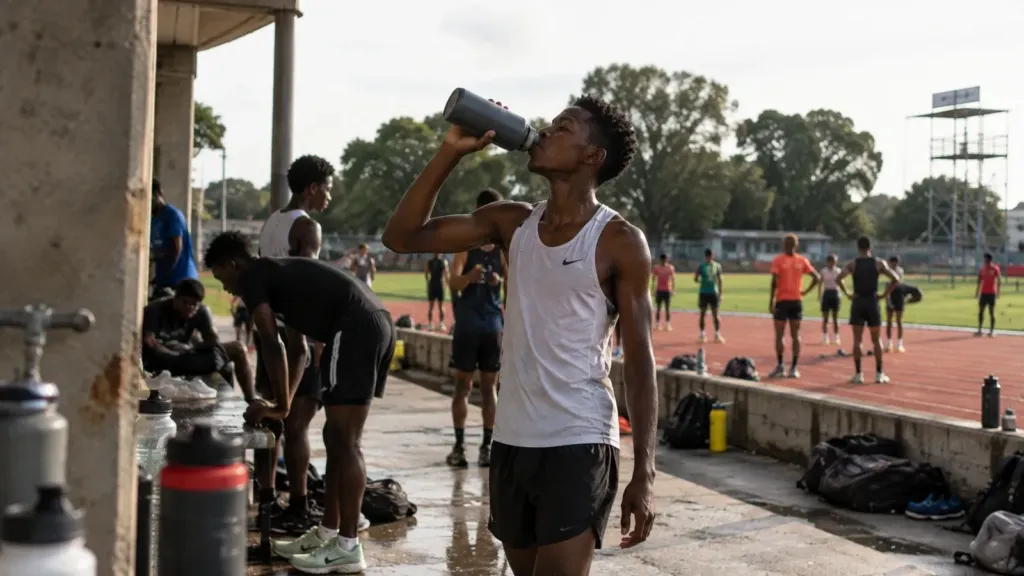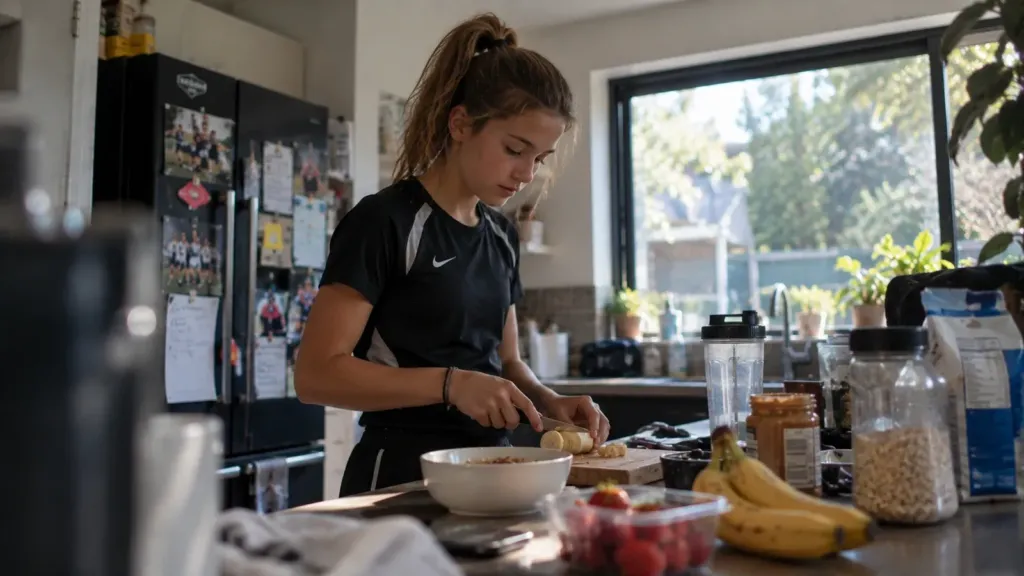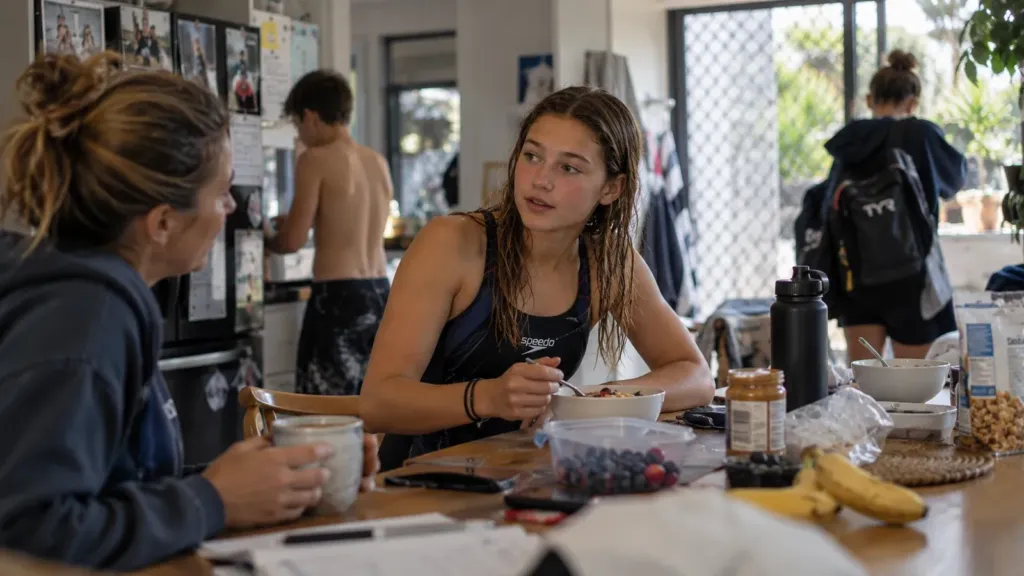




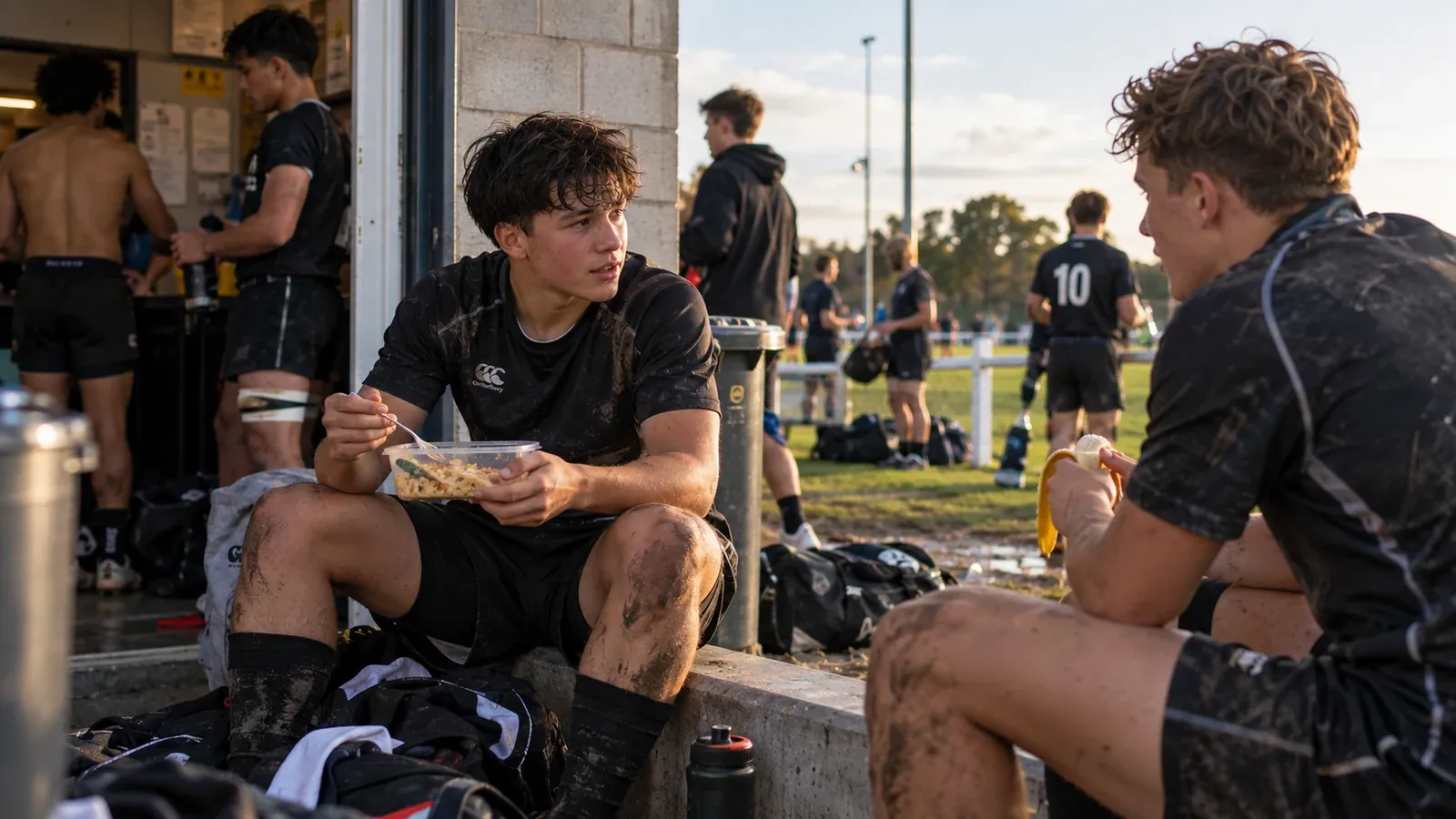

After training, most young players need three things from their recovery nutrition: carbohydrate to start replacing the energy they have used, protein to support repair and adaptation, and fluid to replace what they have lost through sweat.
That does not mean they need a recovery shake the moment training ends.
If a normal meal is coming soon, that meal might do the whole job.
If dinner is still two hours away, the player has a long journey home or they are training again later that day, eating sooner becomes more useful.
That is the part I would focus on.
Not whether a player ate within exactly 30 minutes of the final whistle, rep or lap.
What happens next?
Recovery should match what the player has done
A player finishes a light 60-minute technical session at 5pm and will eat dinner at 6pm.
Another finishes a hard two-hour session at 9pm, has barely eaten since school and needs to train again the following morning.
Those players do not have the same recovery problem.
The first might need water and their normal evening meal.
The second needs more thought.
This is why I would avoid teaching young players that there is one perfect post-training meal.
Start with the session.
- How long was it?
- How hard was it?
- Did the player eat properly beforehand?
- Did they sweat heavily?
- When are they eating next?
- When do they next train or compete?
The shorter the recovery time before the next demanding session, the more important it becomes to start replacing what was used rather than leaving everything until much later.
Carbohydrate replaces fuel used during training
Your muscles store carbohydrate as glycogen. During harder or longer exercise, some of those stores are used to provide energy.
After training, the body starts restoring them.
Foods such as rice, potatoes, pasta, bread, wraps, oats, cereal and fruit all help provide carbohydrate.
How much emphasis you put on replacing carbohydrate depends partly on what happened in training and what comes next.
A basketball player who has finished the only session of the day and has a normal dinner waiting at home has plenty of time to continue recovering through their usual meals.
A swimmer doing another demanding session later the same day has a much shorter turnaround.
A tennis player at a tournament might finish one match without knowing exactly when the next one will begin.
A young player attending an evening club session after school sport might already be trying to recover from two bouts of activity.
This is where the phrase “eat after training” becomes too vague.
The food has a job. That job changes with the schedule.
Sports nutrition guidance places greater importance on rapid carbohydrate replacement when recovery time between demanding exercise sessions is short. Much of the detailed timing research comes from adults, so I would not turn adult gram-per-kilogram targets into rules for every child. The useful principle for developing players is simpler: if they need to perform again soon, do not leave refuelling until much later.
Protein supports repair, but recovery is bigger than protein
Protein gets most of the attention after training.
There is a reason for that. Exercise and protein intake both contribute to the processes involved in repairing and adapting muscle.
But watch what sometimes happens with young players.
Training finishes.
They drink a protein shake.
Then they barely eat dinner.
The shake has become “recovery”, while the rest of their nutrition gets ignored.
That is backwards.
Developing players need enough energy across the whole day. They also need carbohydrate, fats, vitamins, minerals and fluid alongside protein.
Normal foods provide plenty of useful protein:
- Eggs.
- Milk.
- Yoghurt.
- Chicken.
- Fish.
- Meat.
- Beans.
- Lentils.
- Tofu.
- Cheese.
A chicken and rice meal gives you protein and carbohydrate together. So does yoghurt with fruit and cereal. Eggs on toast do the same. A tuna sandwich with fruit is another simple option.
Recovery food does not need to look like a sports product.
You have not missed recovery if you cannot eat immediately
The idea of a tiny “anabolic window” has made post-training nutrition more stressful than it needs to be.
A player does not finish their final sprint and suddenly have 30 minutes before recovery stops working.
The body’s response to exercise lasts much longer than that.
Timing still has a place, especially when another demanding session is coming soon, but the wider eating pattern matters.
This distinction is useful for parents because real training rarely finishes beside a fully stocked kitchen.
A player might need to change clothes.
The coach talks for ten minutes.
The journey home takes 45 minutes.
Dinner still needs cooking.
None of that means the session has been wasted.
If the player ate properly before training and a suitable meal is coming soon afterwards, there is little reason to panic.
If they trained hard, finished hungry and will not eat for another couple of hours, take something with you.
The aim is to stop a normal logistical problem becoming several hours without food.
What should a player eat if dinner is soon?
Suppose training finishes at 6.30pm and dinner will be on the table at 7.15pm.
The player might only need fluid and their normal meal.
A useful dinner might include:
- Rice, chicken and vegetables.
- Pasta with meat, lentils or another protein source.
- Potatoes with fish and vegetables.
- A stir-fry with rice or noodles.
- A bean chilli with rice.
- An omelette with potatoes or bread and vegetables.
There is no special recovery recipe hidden in those meals.
They provide energy, carbohydrate, protein and other nutrients as part of normal food.
That is what makes them useful.
What if there is a long journey home?
This is where planning matters more.
An evening session finishes at 8.15pm.
The player is hungry.
Home is an hour away.
Dinner will not happen until close to 10pm.
I would not expect them to sit in the car hungry because somebody has decided snacks are unhealthy.
Bring something they will eat.
- A sandwich or wrap and fruit.
- Yoghurt with cereal or granola.
- Milk and a banana.
- A bagel with a filling.
- Overnight oats.
- A simple homemade smoothie alongside something more substantial if needed.
Then decide whether they still need a meal when they get home based on their appetite, the session and the rest of their day.
This is one of those areas where the best nutrition decision is often made before training starts.
If you know Tuesday always ends with a long drive home, Tuesday needs a food plan.
When the next session is soon, recovery changes
Now take a different situation.
The player finishes training at 11am and has another hard session at 4pm.
Or they are at a tournament with repeated matches.
Now there is less time to restore fuel and fluid.
Eating reasonably soon after finishing matters more because waiting several hours uses up a large part of the available recovery period.
Carbohydrate becomes particularly important when the player needs to replenish glycogen quickly. Including protein alongside it also supports muscle recovery.
The meal does not need to be huge.
The player might recover better by eating something manageable soon after the first session, then eating again before the next one, rather than forcing down one enormous meal.
This is also where knowing what to eat on a competition day becomes useful. Tournament recovery and normal Tuesday-night recovery are not the same problem.
Do players need a recovery shake?
Most young players do not need a commercial recovery shake after normal training.
That does not mean every shake is bad.
It means there is a difference between something being convenient and something being necessary.
If a player has access to normal food and enough time to eat it, food will often cover what they need.
There are situations where a portable drink is practical. Appetite might be low. Travel might make food difficult. A player might have a short turnaround between sessions.
But I would solve the situation first rather than assuming every player needs a tub of recovery powder.
Sports Dietitians Australia’s guidance for adolescent players recommends meeting nutrient needs through core foods rather than placing unnecessary emphasis on supplements.
For a developing player, getting breakfast, school food, pre-training fuel, dinner and everyday hydration right is a much better foundation than having an impressive supplement shelf.
Recovery starts before training finishes
This sounds strange in an article about what to eat afterwards, but it is important.
Imagine two players completing exactly the same session.
One had lunch, an afternoon snack and arrived well hydrated.
The other skipped lunch, ate almost nothing after school and arrived hungry.
They both need food after training, but the second player is not only recovering from the session. They are trying to repair a much bigger gap in their day.
That is why I would look at the full routine if a young player is constantly exhausted after training or ravenous late at night.
The answer might involve the recovery meal.
It might also involve what happened six hours earlier.
If this pattern keeps happening, it is worth looking at the common nutrition mistakes developing players make rather than trying to fix everything with one post-training snack.
Do not forget the fluid
Players lose different amounts of fluid during training.
A hot outdoor session in protective equipment is different from a short indoor technical session. Two players in the same training group might also sweat at noticeably different rates.
After training, drinking should help replace what has been lost.
Water will be suitable in many normal situations.
Food also contributes to recovery because meals contain fluid and sodium as well as other nutrients.
Where sweat losses are high, the weather is hot, the session is long or another bout of exercise follows soon, fluid and electrolyte replacement deserves more attention.
There is no reason to turn every normal training session into a complicated hydration calculation, but players should not routinely finish training, forget to drink and then go to bed still thirsty.
Our guide to hydration for young players goes further into how fluid needs change between players and sessions.
Late-night training needs a realistic plan
Late sessions create another problem for developing players because recovery and sleep start competing for time.
Training finishes at 9pm.
The player gets home at 9.45pm.
They are tired.
A huge meal at 10pm might not be particularly appealing, but going to bed after barely eating is not a good routine either.
This is where I would work backwards.
- Could they eat more before training?
- Could useful recovery food travel with them?
- Could dinner already be prepared at home?
- Would a smaller meal after training work better than relying on one enormous late dinner?
There is no universal answer because family schedules differ.
But if the same problem happens every Monday and Thursday, it is no longer an unexpected problem.
Build around it.
The next morning tells you something too
Recovery does not finish when the evening meal ends.
A young player wakes up the next day and the process continues.
Breakfast matters.
So does lunch.
So does eating enough across the rest of the day.
That is another reason I do not want players obsessed with one magic recovery window.
A good post-training meal followed by a day of under-eating is not a good recovery strategy.
Neither is an expensive shake followed by skipped breakfast.
Sports Dietitians Australia’s adolescent guidance recommends spreading quality carbohydrate and protein sources across the day, with particular attention to the period after training.
That is a much better way to think about recovery.
Give the body what it needs after the session, then keep feeding recovery through normal meals rather than treating one snack as the whole job.
What I would fix first
If a player finishes training and a proper meal is coming soon, I would keep things simple.
Drink.
Eat the meal.
Make sure it contains a useful carbohydrate source and some protein.
If the meal is a long way off, take a snack or small meal with you.
If another hard session or competition is coming soon, take the recovery period more seriously and start replacing carbohydrate, protein and fluid earlier.
And if the player repeatedly finishes training completely empty, look beyond the final whistle.
Sometimes the best improvement to post-training recovery is fixing what the player ate before they arrived.
Recovery food doesn’t need to look like a sports product. The first question is what the player has actually done, and what they need to do next.Grantley Baugh, Founder of PlayerScout
Was this helpful?
 11 min