
A record 92.3 million Americans played a team sport in 2025, but the number of current youth coaches fell for a third consecutive year as participation among children continued to rise.
New data from the Sports & Fitness Industry Association (SFIA) shows total team-sport participation increased 7.6% in 2025, its fifth consecutive annual rise. Seventeen of the 24 sports tracked by the organisation recorded growth.
Participation among 6 to 14-year-olds increased from 21.1 million in 2022 to 22.1 million in 2025.
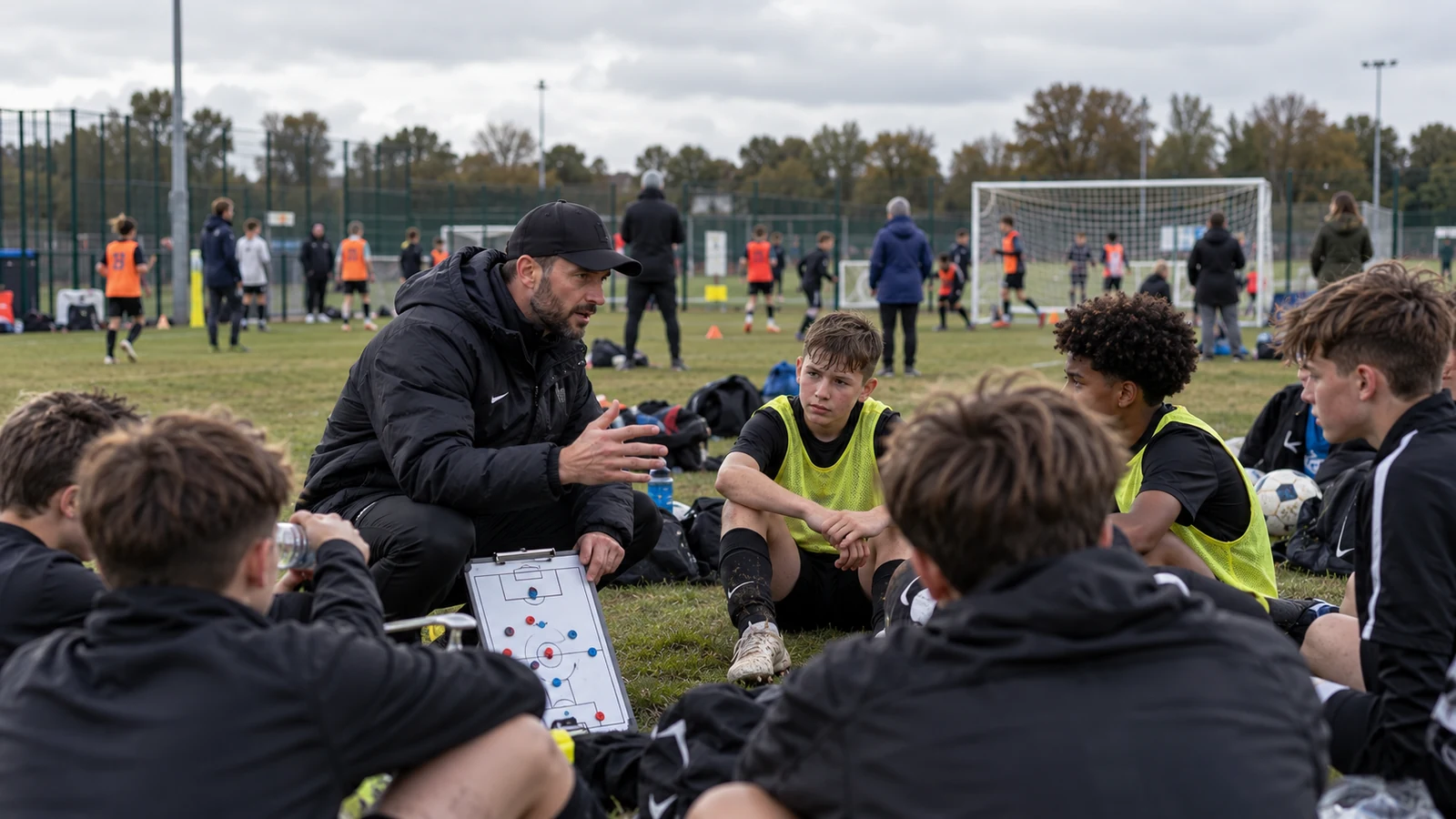
Over the same three-year period, SFIA estimates the number of current youth team-sport coaches fell from 8.4 million to 6.9 million.
That moved the national ratio from 2.5 young participants for every current coach in 2022 to 3.2 in 2025.
The figures are national estimates, so they do not describe the size of individual teams or show whether a particular community has enough coaches. They do, however, put numbers against a problem already being reported by organisations running youth sport across the country.
A 2025 National Recreation and Park Association survey found that 82% of responding park and recreation agencies identified a lack of volunteer coaches as a challenge. It was the most frequently reported challenge, ahead of insufficient facilities and difficulties finding officials, both at 67%, and inappropriate behaviour from parents and caregivers at 57%.
In March 2026, the NRPA and sports technology company GameChanger launched a programme aimed specifically at creating longer-term routes into coaching. Five park and recreation agencies subsequently received $10,000 grants to test approaches to recruiting and developing coaches, alongside access to coach training.
For PlayerScout founder Grantley Baugh, increasing participation and increasing the number of people prepared to support it need to be considered together.

PlayerScout Take
"You can put all the money you want into getting more kids into sport, but someone still has to coach them when they get there. And who that coach is matters. For a young player, they have a huge influence on whether sport becomes something they want to keep coming back to."

Grantley Baugh, Founder, PlayerScout

The latest figures do not establish that the fall in coach numbers has made young people’s sporting experiences worse, and SFIA’s national data cannot show how coaching provision differs between sports or communities.
There are also signs that training among people who do coach is widespread. Separate SFIA research reported that more than 93% of youth coaches surveyed had received some form of training during the previous five years, including in areas such as safety, first aid, coaching methods and motivation.
SFIA’s research is based on 18,000 online interviews conducted during 2025 with a nationwide sample of Americans aged six and older. The sample was balanced using demographic quotas and weighted to reflect the US population by gender, age, income, ethnicity and region.
The organisation also asked participants why they played team sports for the first time. Fun was the most common answer, selected by 58.4%, ahead of staying active at 51%, spending time with friends at 39.1% and being part of a team at 36%. Competition was selected by 26.1%.
Those responses cover participants aged six and older rather than children specifically. SFIA’s 2025 figures leave youth sport organisations with two trends to accommodate at the same time: more young participants and fewer current youth coaches.