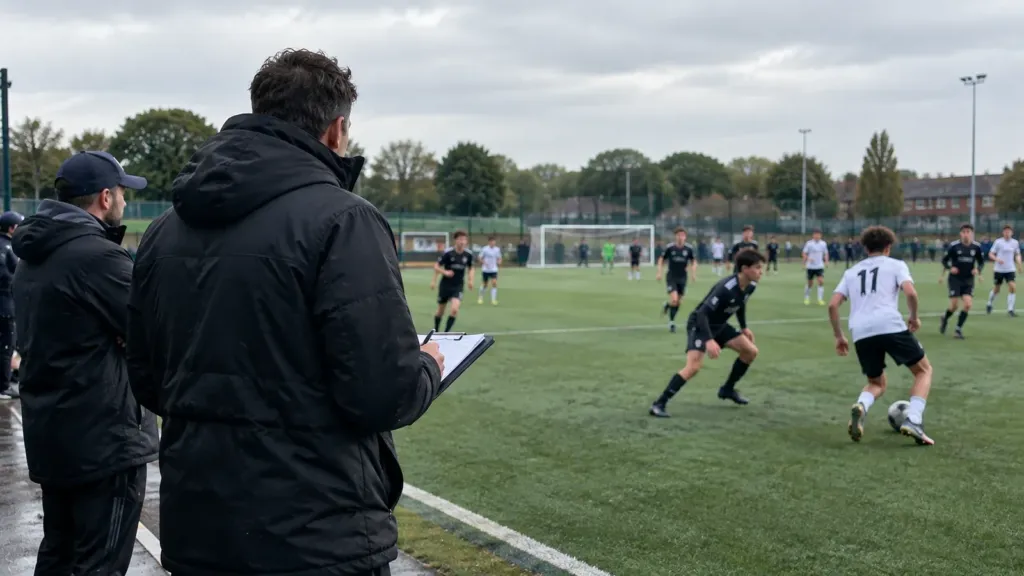




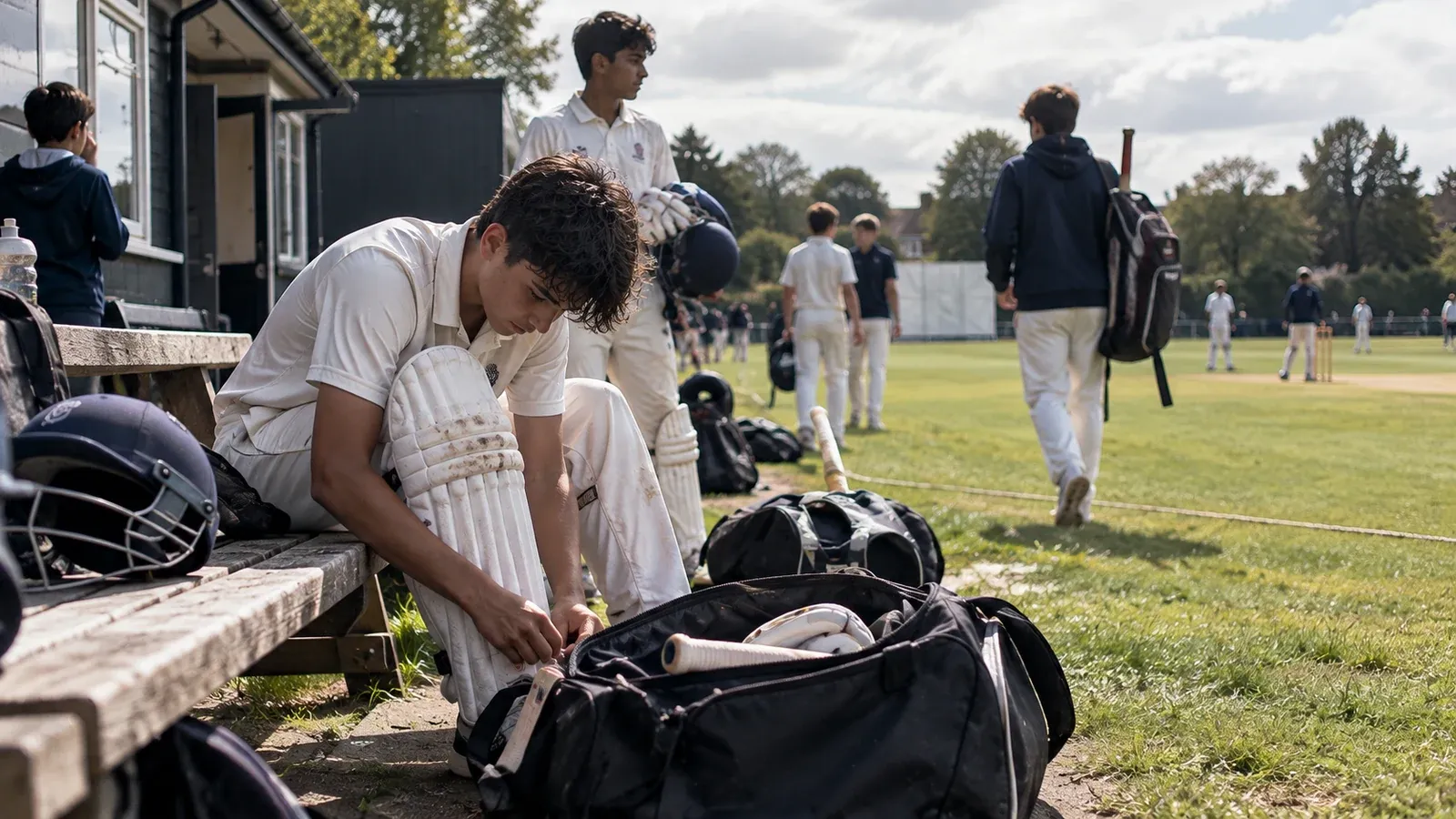

The week before a trial is a bad time to start rebuilding the player.
Yet that is often what happens.
Extra sessions appear because they want to feel sharper. A new breakfast gets planned because somebody heard it is better for performance. Parents start giving more advice. The player watches videos about trials, worries about what scouts want and starts thinking about every part of their game that might be judged.
By the time the day arrives, an opportunity they were already good enough to be invited to has become something completely different from normal sport.
I would prepare for a trial by removing avoidable problems, not by trying to create a new player in the final few days.
Know where you are going. Understand the format if that information is available. Get your equipment ready. Eat familiar food. Arrive with enough time. Protect normal sleep. Follow the training plan you already have rather than adding last-minute work.
Then go and perform.
Most of the useful preparation is less dramatic than players expect.
Find out what the day actually involves
Start with the information you have been given.
What time does registration start?
How long is the session or event?
What equipment do you need?
Is there more than one assessment period?
Will there be testing as well as sporting performance?
Are food and drinks available?
Is the event indoors or outdoors?
Are there rules around clothing, equipment or protective kit?
Does the player need identification, paperwork or medical information?
The details differ enormously between sports and selection systems.
A trial might be a training session, a competitive event, a timed assessment, a series of technical tests, a tournament, a physical-testing day or several of those combined.
Do not prepare for the trial you have pictured in your head when the organiser has already told you what will happen.
For younger players, this is one of the easiest places for a parent to help. Sort the practical information so the player does not have to carry it around mentally.
Do not try to get fitter in the final few days
A hard extra session close to the trial might make a player feel as though they are doing something useful.
That does not mean it is helping.
Fitness adaptations take time. Fatigue arrives much faster.
There is good evidence from competitive sport that reducing training load before important performance periods can improve performance in appropriate settings. Tapering research is strongest in adult competitive and endurance populations, with some supportive evidence in team sports, so I would not take an adult tapering formula and prescribe it to every young player.
The practical point is narrower.
The final few days are not where you build the physical qualities the trial will reveal.
If the player follows a structured programme, their normal coach should manage the training load. If there is no formal plan, avoid responding to nerves by suddenly adding a large amount of unfamiliar or exhausting work.
I would rather a player arrive feeling ready to move than arrive proud of how hard they trained the night before.
Do not chase a perfect final session either
There is another version of the same problem.
The player wants their last training session before the trial to prove they are ready.
If they perform well, they feel confident.
If they train badly, panic starts.
Now one ordinary session has become a prediction of what will happen two days later.
Training does not need to provide a confidence certificate before the player leaves.
Use the session for what it was designed to do. If something feels slightly off, avoid spending another hour trying to finish on a perfect repetition.
Our guide on how to build confidence as a young player explains why confidence is more useful when it comes from a longer body of evidence than one recent performance.
The player has been developing for months or years.
The trial does not begin with the final training session.
Protect normal sleep rather than trying to create one perfect night
Players often become obsessed with the night immediately before an important event.
They go to bed unusually early, worry because they are still awake and start calculating how many hours remain before the alarm.
That turns sleep into another performance test.
Sleep matters, particularly for young people. The American Academy of Sleep Medicine recommends that children aged 6 to 12 regularly obtain 9 to 12 hours of sleep per 24 hours and teenagers aged 13 to 18 obtain 8 to 10 hours to support health.
Sport-specific sleep research also supports paying attention to sleep across the wider training and competition schedule, although the precise relationship between sleep and performance depends on the sport, the performance measure and the type of sleep disruption. Athlete sleep experts therefore recommend an individualised approach rather than one universal performance number.
I would focus on the pattern leading into the trial rather than frightening the player about one night.
Keep normal sleep routines where possible. Avoid creating unnecessary late nights. Plan early travel properly. If the player sleeps less than they hoped because they are nervous, do not tell them the trial is now ruined.
One imperfect night does not give you enough information to predict how they will perform.
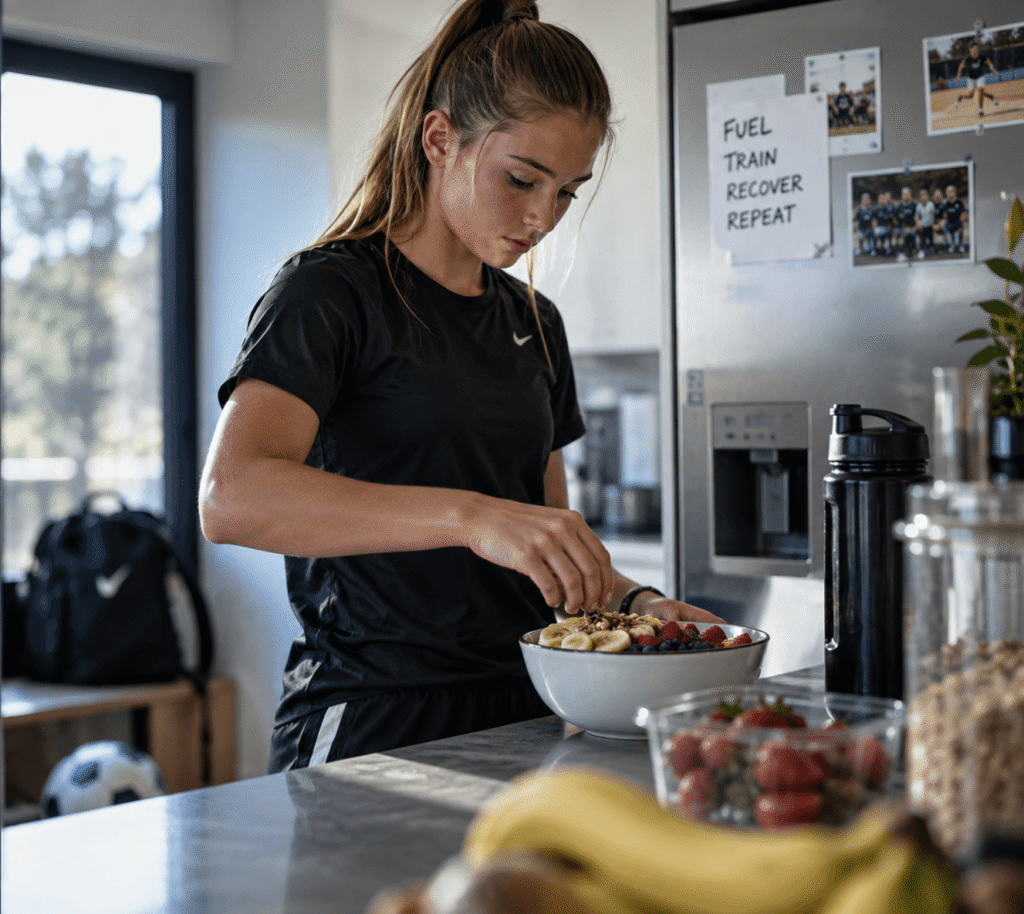
Eat food the player already knows works
Trial day is not the day for an experimental performance breakfast.
Nor is the night before the time to force an enormous meal because the event feels important.
The basic job is to arrive fuelled without feeling heavy or uncomfortable.
Our guide to what a young player should eat before competition covers timing, carbohydrate, digestion, nerves and early starts in detail.
For the trial itself, familiarity matters.
Use foods the player has eaten before training or competition without problems. If the event lasts several hours, find out whether there are breaks and bring appropriate familiar food if needed.
A player who normally struggles to eat when nervous might need a smaller, easier option rather than being pressured to finish a large meal.
The goal is not to win the trial with breakfast.
It is to stop breakfast becoming a problem.
Start hydration before you arrive
Turning up thirsty and then drinking a huge amount immediately before the session is not a particularly useful hydration strategy.
Players should normally arrive having had opportunities to drink across the day or morning, then continue according to the conditions, event length and their own needs.
Hydration requirements vary according to factors including body size, sweat rate, environment, clothing and exercise demands.
That matters on selection days because the environment might differ from normal training. A player used to an indoor facility might suddenly be outside in heat. Another might spend much longer waiting between activities than expected.
Our guide to hydration for young players explains how to think about those differences without relying on one fixed drinking number for everybody.
Bring a bottle if the event allows one.
Do not wait until the player feels awful before remembering it.
Pack before the pressure starts
This sounds basic until somebody arrives without the one piece of equipment they need.
I would get the bag ready before the final rush.
Sport-specific equipment should be checked rather than assumed to be there. Add suitable clothing for the conditions, water, familiar food where appropriate and anything specifically requested by the organiser.
If there are essential medical items the player normally carries or uses, those belong in the normal preparation too.
For younger players, a parent should obviously help where needed.
As they get older, I would gradually move responsibility towards the player.
Preparing their own equipment is a small part of becoming more independent in sport.
The important part is not creating an enormous checklist for a nine-year-old. It is making sure preventable problems do not arrive at the venue with them.
Know the journey before the morning of the trial
A player should not be sitting in the car watching the arrival time move later while somebody tries to work out which entrance to use.
Check the venue.
Check travel time.
Look for information about parking, public transport, registration and where players need to report.
Then leave a sensible margin for the things journeys normally do.
The aim is not to arrive hours early and spend all morning thinking about the trial.
It is to avoid turning travel into the first stressful event of the day.
For international or long-distance opportunities involving substantial time-zone changes, preparation becomes more specialised. Travel, sleep and circadian disruption deserve individual planning rather than generic trial-day advice.
I would prepare for a trial by removing avoidable problems, not by trying to create a new player in the final few days.Grantley Baugh, Founder of PlayerScout
Keep the earlier part of the day recognisable
If the trial starts later, players sometimes spend the whole day waiting for it.
They wake up thinking about the trial.
Breakfast is about the trial.
Every conversation becomes about the trial.
They watch clips about the trial, check the time repeatedly and arrive mentally exhausted from an event that has not started.
Where the schedule allows, keep the earlier part of the day reasonably normal.
Eat.
Go about the normal routine.
Prepare at the time you need to prepare.
Obviously, a long journey or early start changes what is possible. The principle is not rigid routine.
It is to avoid making the trial occupy every available hour simply because it matters.
Nerves do not need fixing before you leave
A player might wake up with a strange stomach, think about who else will be there or become much quieter than usual.
That does not mean the preparation has failed.
Our guide on how to deal with nerves before competition explains why a player does not need to eliminate nervousness before they are ready to perform.
I would be particularly careful with parents repeatedly checking.
“Are you nervous?”
“Are you feeling confident?”
“Are you okay?”
The player might have been okay until they were asked to inspect themselves five times.
If they say they are nervous, acknowledge it without turning the feeling into the main event.
They still know how to play their sport.
Do not arrive with a new tactical or technical identity
This is one of the easiest ways to overload a player.
The night before, somebody starts giving them scouting advice.
“Make sure you show your speed.”
“Use your weaker side.”
“Be more aggressive.”
“Talk constantly.”
“Don’t take risks.”
“Make sure you stand out.”
Even when each suggestion sounds reasonable on its own, together they give the player another game to play.
They are now trying to manage how they appear.
Article 14 on how to get noticed without trying to impress explains why changing decisions for the observer can make the performance less representative of the player you normally are.
If the player’s coach has given them one clear role or cue, fine.
What I would avoid is installing several new instructions because the event has suddenly become important.
Warm up for the performance, not for the people watching
A trial warm-up does not need to look impressive.
Its job is to prepare the player for the physical and technical demands that follow.
A systematic review and meta-analysis found that adequate warm-ups improved performance in most of the criteria examined, although the studies covered different activities and protocols and were not specifically about youth selection days.
In many trials, the organiser or coaching staff will lead the warm-up.
Follow it.
If players are responsible for their own preparation, use a warm-up they know rather than inventing an aggressive new routine because somebody is watching.
The exact warm-up should fit the sport. A sprinter, goalkeeper, tennis player, swimmer and combat-sport player do not need the same preparation.
Familiarity again matters.
Watch the temptation to use supplements or stimulants for an extra edge
A trial feels important enough that players sometimes start looking for something additional.
Pre-workout drinks.
Energy products.
Supplements.
Whatever somebody online says will make them sharper.
For young players, this is an area where I would be conservative.
Do not introduce an unfamiliar supplement or stimulant on selection day. Apart from questions around whether a product is appropriate for the player’s age and circumstances, unfamiliar products create unnecessary variables around digestion, sleep, arousal and tolerance.
If a player has a medical or nutritional reason for using a particular product, that belongs with an appropriately qualified professional who understands the individual player.
A trial does not create a new nutritional requirement simply because somebody is assessing you.
Once you arrive, stop preparing for the trial and start being at the trial
There is a point where more preparation stops helping.
The player is registered.
Their equipment is ready.
They know where they need to be.
Now they start studying everybody else.
That player looks bigger.
That one has better equipment.
Someone seems to know the coach.
Another player looks incredibly confident in the warm-up.
None of this tells you how the selection day will finish.
Article 11 on how to build confidence as a young player explains why somebody else’s visible strengths should not become evidence against your own.
Look around because you need to understand the environment, not because you are trying to rank everybody before the event begins.
Listen carefully when the coaches explain the task
This is one of the simplest things a player can control.
Selection days often involve unfamiliar exercises, rules, groups or testing procedures.
Listen.
If you do not understand, ask at an appropriate moment.
Trying to guess because you do not want to look stupid usually creates a bigger problem than asking a sensible question.
A 2025 systematic review of coachability identified attentiveness, willingness to learn, persistence, feedback seeking, feedback receptivity and feedback implementation as recurring components of the concept.
You do not need to demonstrate all of that theatrically.
Understand what you have been asked to do and get on with doing it.
Your first mistake is not an emergency
The player has waited weeks for the trial.
Five minutes in, they make an error.
Now it feels enormous because there is a selector standing nearby.
Do not spend the next ten minutes trying to undo it.
Our guide on how to recover quickly after a mistake covers what to do when an error threatens to follow the player into the next action.
Selection days do not create a different version of sport where good players suddenly stop making mistakes.
The player still has to respond to what happens next.
A simple plan for the final 24 hours
The final day does not need to be complicated.
Check the time and venue. Pack the equipment. Eat familiar meals. Drink normally across the day. Follow the planned training or rest schedule rather than adding extra work. Give yourself a realistic opportunity for normal sleep.
On the day, eat the familiar pre-competition food that suits the start time, travel with enough margin, register properly, listen to instructions and warm up for the demands of the sport.
Then the preparation has done its job.
There will still be uncertainty.
You do not know who else will attend, exactly what the selectors will value or whether the player will be chosen.
Preparation does not remove those things.
It makes sure the player does not arrive carrying a collection of problems they created themselves in the final 24 hours.
Was this helpful?
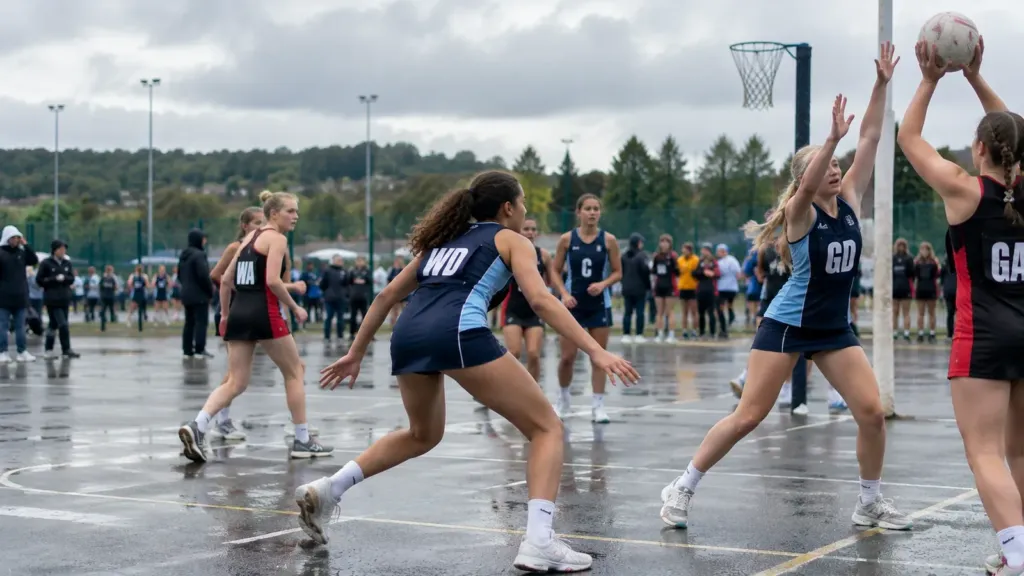
 12 min